
Updated: April 8, 2026
Behind the Scenes: A Closer Look at NBA Training Routines
The National Basketball Association (NBA) is renowned for its dazzling performances, incredible athleticism, and strategic gameplay. While fans see the exhilarating moments on the court, the real magic happens behind the scenes, where players undergo rigorous training routines. These routines are meticulously designed to enhance performance, prevent injuries, and ensure players are at their peak for every game. In this blog post, we dive deep into the world of NBA training routines and explore the various components that make these athletes some of the best in the world.
The Importance of Off-Season Training
For NBA players, the off-season is not a time to rest completely, but rather an opportunity to focus on different aspects of their training. This period allows players to work on their weaknesses, build strength, and refine skills without the pressure of upcoming games. Many athletes collaborate with personal trainers to create customized programs that address their specific needs, whether it’s improving shooting accuracy, enhancing speed, or increasing endurance.
A typical off-season regimen may include weightlifting sessions to build muscle mass, agility drills to enhance footwork, and skill-based exercises to improve techniques. Players may also engage in cross-training activities such as swimming or yoga to maintain flexibility and cardiovascular fitness.
Pre-Season Preparations

As the new season approaches, NBA players shift their focus to pre-season training. This phase is crucial for getting back into the groove of team dynamics and ensuring that players are game-ready. Pre-season training camps often involve intensive drills, practice games, and strategic planning sessions.
During this time, coaches emphasize conditioning and endurance to ensure players can withstand the demands of an 82-game season. The routines usually involve a mix of high-intensity interval training (HIIT), strategic scrimmages, and video analysis sessions to study opponents’ gameplay.
In-Season Maintenance and Recovery
Once the season is underway, the focus shifts to maintaining peak condition and optimizing recovery. The demanding schedule of games, travel, and practices requires a delicate balance between exertion and rest. Teams employ a range of strategies to ensure players recover quickly from games and avoid overtraining.
Nutrition plays a critical role during the season. Players work with dietitians to create meal plans that provide the necessary fuel for performance and recovery. Hydration and electrolyte balance are also monitored closely to prevent fatigue and cramps.
Recovery routines can include ice baths, massages, and stretching sessions. The use of modern technology like cryotherapy and normatec compression systems helps in reducing muscle soreness and speeding up recovery times.
Technology and Data-Driven Approaches
The integration of technology into training routines has revolutionized how NBA teams approach player development. From wearable devices that track biometric data to software that analyzes player movements, technology provides coaches and trainers with invaluable insights.

For instance, many teams use motion capture systems to analyze shooting techniques or foot placement during play. This data helps in making precise adjustments that can enhance player performance. Furthermore, GPS tracking during practices helps monitor player workloads, ensuring they are not overexerting or undertraining.
Data-driven approaches have become indispensable, allowing for personalized training programs that cater to individual player needs, ultimately enhancing overall team performance.
Specialized Training for Specific Positions
NBA players often undergo specialized training based on their positions. Guards, for instance, focus on agility, ball-handling skills, and perimeter shooting. Their routines may include drills that enhance quick lateral movements and improve their ability to change direction rapidly.
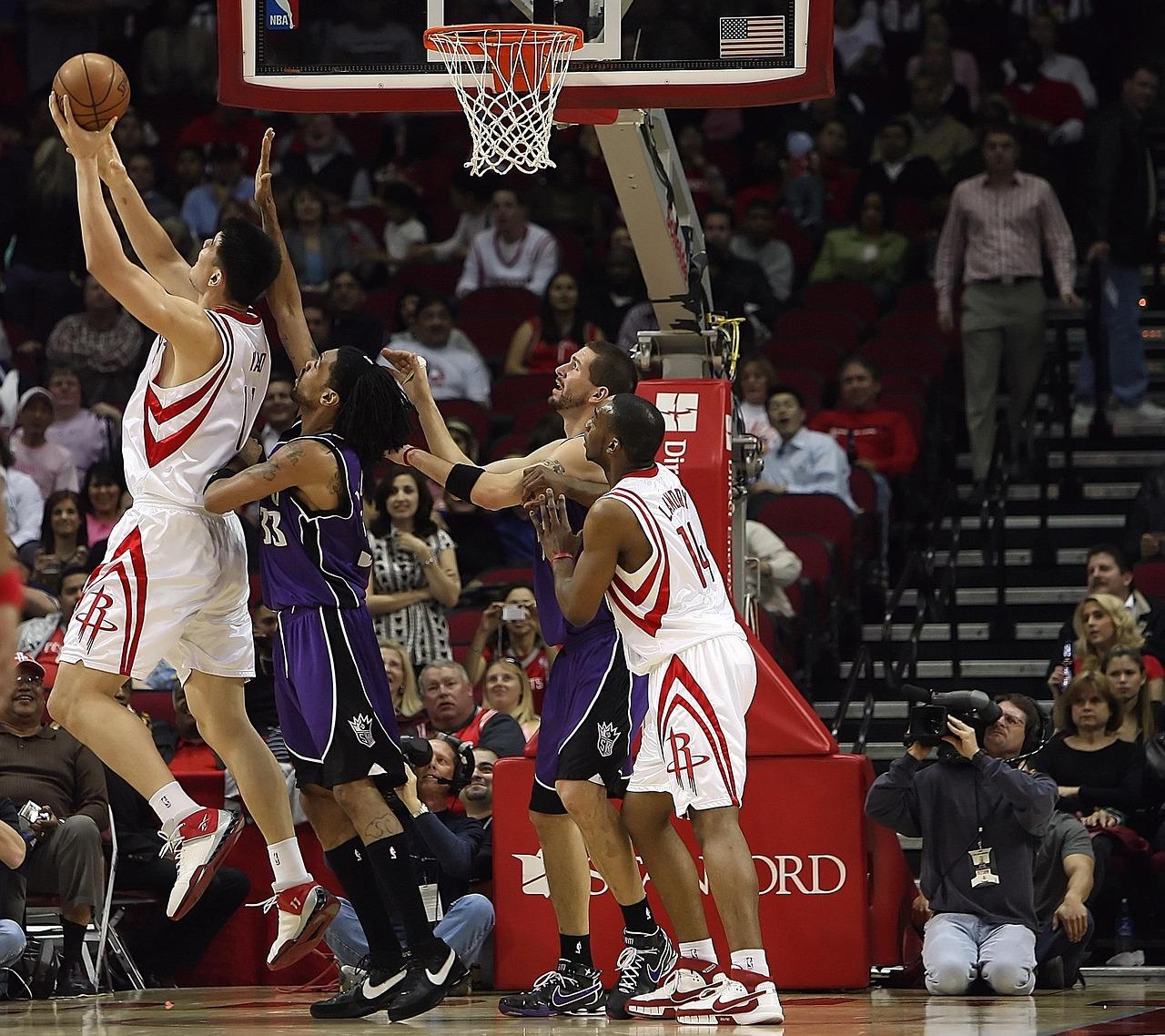
In contrast, centers and forwards might concentrate on strength training and post-up techniques. Exercises like squats, deadlifts, and bench presses are common to build the necessary strength for battling in the paint. Additionally, these players work on footwork drills to improve their positioning and rebounding abilities.
Each position on the court requires a unique set of skills, and training programs are tailored to ensure players excel in their specific roles.
The Role of Mental Conditioning
An often overlooked aspect of NBA training routines is mental conditioning. The mental demands of professional basketball are immense, and players must be equipped to handle pressure, make split-second decisions, and maintain focus throughout games.

Many teams employ sports psychologists who work with players to develop mental resilience and concentration techniques. Visualization exercises, meditation, and mindfulness practices are just some of the methods used to enhance mental acuity. These practices help players cope with the stress of high-stakes games and improve their overall performance.
Takeaways
Behind every incredible dunk, buzzer-beater, and defensive stop lies a world of meticulous preparation and dedication. NBA training routines are multifaceted, encompassing physical, technical, and mental aspects to prepare players for the rigors of professional basketball. From off-season strength building to in-season recovery strategies, every component is designed to optimize performance and ensure longevity in a highly competitive league.
As the game evolves, so do the training methodologies, with technology and data analytics playing an increasingly prominent role. The commitment and perseverance of NBA players, combined with the expertise of coaches and trainers, create the perfect recipe for success on the court. For fans and aspiring athletes alike, understanding these behind-the-scenes efforts provides a deeper appreciation of the game and the remarkable feats achieved by these elite athletes.
The Impact of Team Culture on Training
Beyond individual training routines, team culture plays a significant role in shaping how NBA players develop. A positive, collaborative team environment encourages players to push their limits and support one another. Teams with a strong culture often have a unified approach to training, with veterans mentoring younger players and fostering an atmosphere of growth and improvement.

Coaches and team leaders set the tone for this culture, emphasizing the importance of accountability, hard work, and resilience. Regular team meetings and activities outside of basketball help strengthen bonds, creating a cohesive unit that works seamlessly on the court.
For instance, team-building exercises and community service events are common, allowing players to connect on a personal level. This unity can translate to improved performance during games, as players are more likely to trust and rely on each other under pressure.
Adapting to New Challenges and Innovations
The NBA is continually evolving, and players must adapt to new challenges and innovations in training. As the league becomes faster and more athletic, training routines have to mirror these changes. Emphasis on agility, speed, and three-point shooting has increased in recent years, reflecting the shift in gameplay dynamics.
Moreover, advancements in sports science and technology have introduced new tools and methodologies. Virtual reality training, for example, allows players to simulate game scenarios and practice decision-making in a controlled environment. This innovative approach helps players hone their skills and mental sharpness without the physical toll of traditional practices.
Additionally, nutritional science continues to evolve, offering players new insights into optimizing their diet for performance and recovery. Personalized meal plans and supplements tailored to individual needs ensure players are fueling their bodies with the right nutrients.
Lessons for Aspiring Athletes
For aspiring athletes looking to reach the NBA or excel in basketball, understanding the training routines of professional players can provide valuable insights. While not everyone has access to state-of-the-art facilities or personal trainers, there are key takeaways that can be applied at any level.

Consistency is crucial. Establishing a regular training schedule and sticking to it can lead to significant improvements over time. Focusing on fundamental skills, such as shooting, dribbling, and passing, lays a solid foundation for more advanced techniques.
Additionally, aspiring athletes should prioritize their physical well-being by incorporating strength training, conditioning, and proper nutrition into their routines. Recovery and rest are equally important, allowing the body to repair and grow stronger.
Mental toughness and resilience are also vital components of success. Developing a strong mindset, setting goals, and remaining focused on improvement will aid young athletes in overcoming challenges and reaching their potential.
Looking Ahead: The Future of NBA Training
As we look to the future, NBA training routines will likely continue to evolve with emerging technologies and scientific discoveries. The integration of artificial intelligence could lead to even more personalized and precise training programs, analyzing player data in real-time to make instantaneous adjustments.
Furthermore, the global nature of the NBA means that training techniques from around the world will influence how teams prepare. International players bring diverse perspectives and methods, enriching the league’s approach to player development.
Ultimately, the future of NBA training will be driven by a desire to push the boundaries of human performance while ensuring the health and longevity of players. As fans, we can look forward to witnessing even more extraordinary feats on the court, as athletes continue to redefine what is possible in the game of basketball.









Leave a Reply