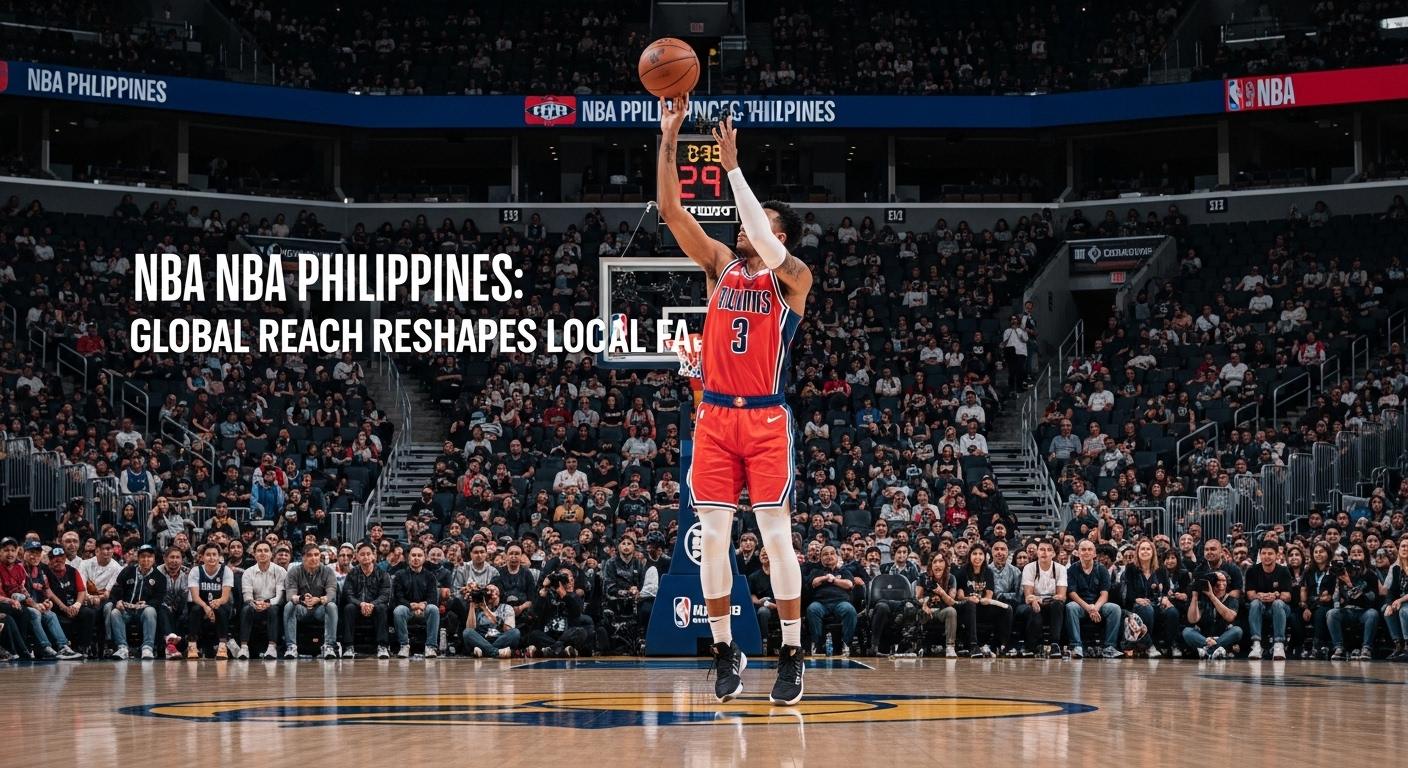
The nba NBA Philippines phenomenon is not merely about games on a screen but a window into how global media economics intersect with local culture in one of Asia’s most ardent basketball markets. In the Philippines, fans treat every highlight reel as a community event, and networks, platforms, and sponsors sense that energy as a template for growth. This piece examines how the global reach of the NBA threads into everyday life in Philippine cities, shaping viewing habits, content creation, and commercial opportunities with consequences that reach far beyond a single league season.
Global Reach, Local Resonance
Over the past decade, the NBA has pursued a strategy that treats the Philippines as a long-term partner rather than a seasonal audience. The country’s time zones, mobile connectivity, and dense social networks create a fertile ground for multi-platform distribution, from traditional television to streaming bundles and short-form clips that circulate on social feeds. For broadcasters, this means tailoring schedules and commentary to local preferences, often pairing English-language coverage with Tagalog or Filipino-language segments to maximize comprehension and engagement. The resulting ecosystem is not merely about access to games; it is about accessibility to analysis, context, and narrative that resonate within Filipino households, schools, and street courts.
Beyond the broadcast window, the NBA’s global branding aligns with Filipino sensibilities around heroism, teamwork, and perseverance. Local fans interpret the league’s storytelling through a cultural lens that emphasizes perseverance and community, making regional stars and international icons part of everyday conversations, debates, and even family rituals. This is where the business logic of global sports intersects with the deeply rooted, communal nature of Philippine basketball culture, creating a feedback loop: stronger local engagement drives more robust regional sponsorship, which in turn supports more localized content and events.
Fan Culture, Fantasy, and Access
In many ways, the Philippines has become a laboratory for fan participation beyond simply watching games. The rise of fantasy basketball and daily fantasy sports (DFS) has embedded the NBA into the weekend rhythms of many fans who build lineups, trade players, and track statistics with the same seriousness they bring to festive gatherings. This behavior feeds a practical dynamic: viewers become smaller-scale stakeholders who care about matchups, player workloads, and coaching strategies because those elements directly affect their fantasy outcomes. The effect is twofold. First, fans retain attention across longer time horizons, not just on game days; second, brands and media partners gain more opportunities to deliver timely, relevant content—data-driven, narrative-rich, and regionally contextualized—that keeps audiences engaged between marquee games.
From a content perspective, the Philippines is a rich feedback loop for the NBA’s storytelling engine. Local creators translate complex analytics into digestible insights, while official broadcasts and partner channels experiment with bilingual or localized commentary to broaden reach. The result is a more resilient fan base that can adapt to shifts in schedule, streaming availability, and the evolving tastes of younger generations who demand speed, clarity, and relevance in every post, clip, and recap.
Business Imperatives: Media, Sponsorship, and Pathways
For brands and leagues, the Philippine market presents a multipronged opportunity: high engagement, a deep appetite for new formats, and a relatively young, tech-savvy audience. Media-rights negotiations increasingly favor flexible, multi-platform strategies that combine live games with on-demand content, short-form highlights, and interactive formats that translate well on mobile devices. Sponsorship models evolve accordingly, prioritizing grassroots outreach, youth development programs, and community events that embed NBA themes into local sport ecosystems. This alignment matters because sponsorships conditioned by Philippine youth culture can yield durable returns in brand loyalty and regional visibility as basketball and entertainment ecosystems converge.
Another dimension is the talent pipeline. While the Philippines has produced notable players and coaches who contribute to the global game, the broader market benefits from visible pathways that connect grassroots programs, college-level exposure, and professional leagues overseas. These pathways not only elevate the profile of Philippine basketball but also create opportunities for collaboration among teams, academies, and corporate partners excited by the potential of Filipino athletes to perform on international stages. In this sense, the NBA’s presence in the Philippines is not a short-term demand spike but a reputational and infrastructural investment that can shape the sport’s local hierarchy for years to come.
Policy, Access, and Community Stewardship
To sustain growth, stakeholders must balance accessibility with quality of content and fair play. This means prioritizing reliable streaming infrastructure, transparent data privacy practices for fans who engage with DFS and other interactive formats, and education around fantasy sports that helps maintain a healthy, rules-based ecosystem. It also requires collaboration among leagues, schools, and municipal bodies to ensure that basketball infrastructure—courts, coaching, and youth programs—keeps pace with audience expansion. When the NBA’s Philippine footprint translates into better training facilities, clearer pathways for aspiring players, and more inclusive fan experiences, the market strengthens as a whole, benefiting players, fans, and brands alike.
The narrative around “global reach” should not mean consumer fatigue; instead, it should emphasize sustainable programming, balanced content budgets, and community-forward initiatives that root the NBA’s presence in the realities of Philippine life. In this framing, the NBA’s growth is measured not only by viewership numbers but by the health of the local basketball ecosystem and the opportunities that opening up to broader audiences brings to teachers, coaches, and young athletes who see basketball as a lifeline as much as a pastime.
Actionable Takeaways
Media outlets should localize broadcasts with bilingual commentary and culturally resonant storytelling to maximize comprehension and emotional connection.
Brands can sponsor community-based basketball programs that pair on-court coaching with media-rich stories, amplifying both performance and audience engagement.
Fans and platforms should promote responsible fantasy sports participation, with clear rules and safe engagement practices that protect players and viewers alike.
Developing transparent pathways from grassroots clubs to higher levels of competition will strengthen the sustainability of basketball as a national sport.
Policymakers and leagues should invest in streaming reliability and data privacy to support a growing, digitally engaged fanbase.
Source Context
For readers seeking background on related developments, the following items provide context to the broader ecosystem surrounding NBA content and international fan engagement:



Leave a Reply