This analysis asks why NBA Philippines has become a strategic hub for fans, sponsors, and broadcasters, revealing how cultural affinity, digital access, and regional media ecosystems converge to turn basketball into a shared experience across the archipelago and its diaspora.
Why the Philippines Is a Natural Hub for NBA Fandom
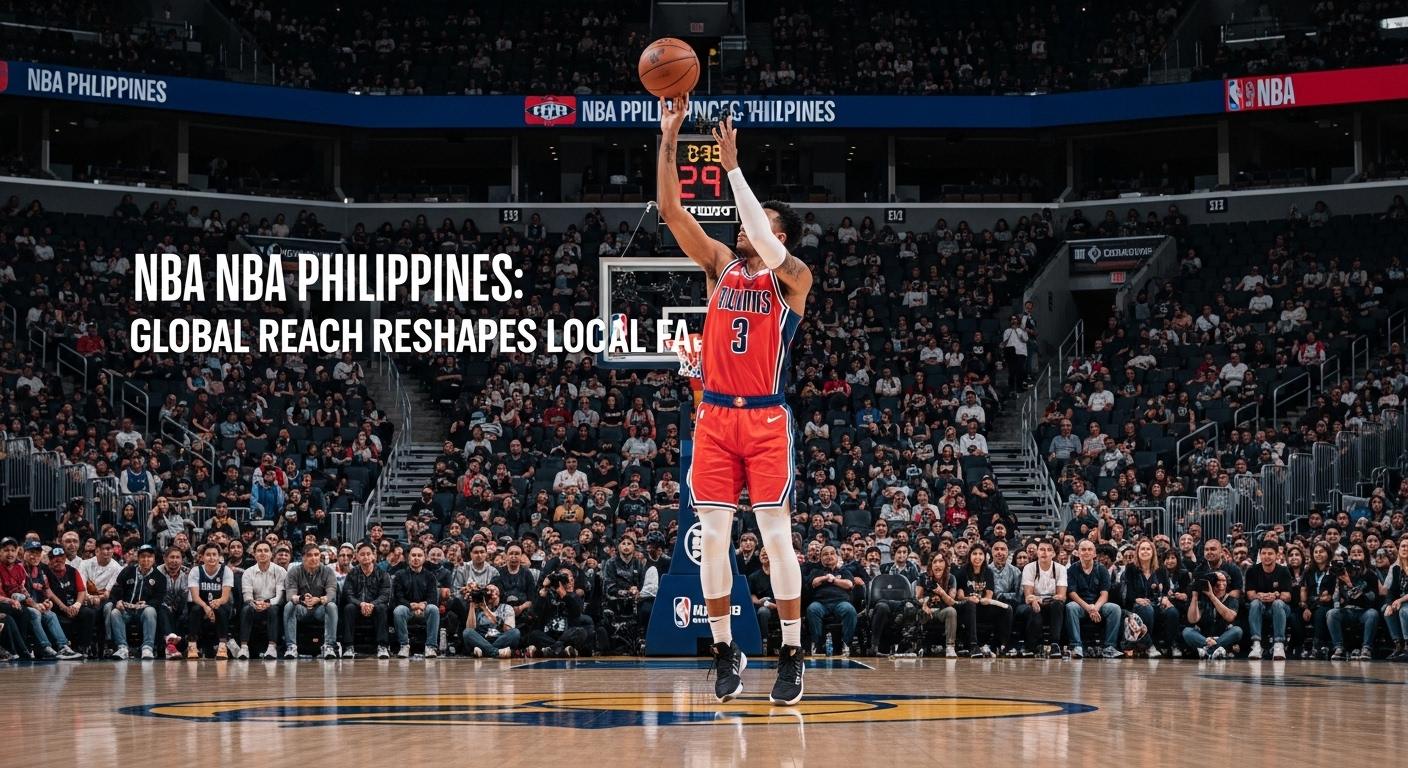
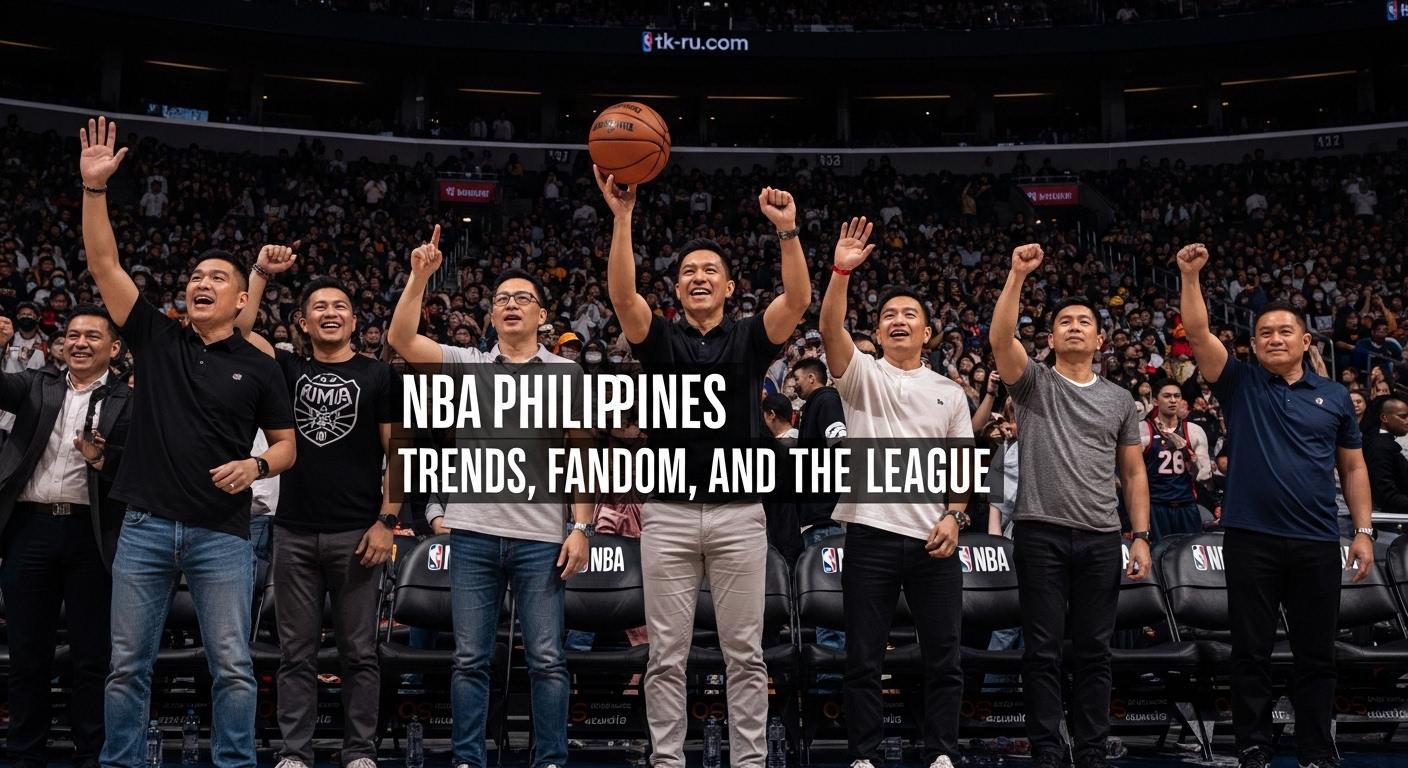
Basketball occupies a uniquely visible place in Philippine life, from mounted street courts to nationwide broadcasts. The NBA’s presence here is not merely about star power; it is about a fan culture that translates weekend rituals into social media moments, small-business sponsorships, and community gatherings. The Philippines combines a dense population with high mobile penetration and passionate communities that translate basketball into local identity. This dynamic makes the question of why NBA Philippines resonate not only within Manila’s arenas but in classrooms, family gatherings, and provincial towns where the game becomes storytelling, a ritual, and a shared language.
Streaming, Accessibility, and Market Growth
Access is a practical driver for the NBA’s regional appeal. In the Philippines, fans often encounter a blend of official broadcasts, streaming options, and mobile-first platforms that bring games to hand-held devices. The pace of digital adoption means highlight reels and game clips circulate rapidly, amplifying reach far beyond the arena. This accessibility creates a feedback loop: more eyes on games produce more engagement, which fuels social conversations, fantasy leagues, and local businesses that align with the league’s rhythm. The Philippines therefore acts as a catalyst for viewership growth across Southeast Asia, reinforcing the case for sustained content investments and regional partnerships that mirror the league’s global strategy.
Economic Rationale and Local Partnerships
From a business perspective, the Philippines offers a vibrant advertising ecosystem and a demographic profile that is aligned with consumer brands seeking youth-driven, digital-native audiences. Local partnerships—from media houses to sponsorship networks—help translate global NBA narratives into locally relevant content, increasing the value of rights deals, sponsorship packages, and experiential activations. This is not just about broadcasting games; it is about creating consistent touchpoints—live events, merchandise, and interactive campaigns—that convert viewership into measurable engagement. The central argument for why NBA Philippines matters is that the region serves as a proving ground for monetizable fan experiences that can scale across Asia while preserving authentic cultural ties to the game.
Risks, Realities, and the Path Forward
Any strategic assessment must acknowledge constraints: bandwidth disparities, regulatory environments, and competition from other entertainment options. Yet these risks also illuminate opportunities. Coordinated efforts that blend traditional broadcasting with mobile-first interactivity, while preserving national storytelling around local fans, can yield durable audience loyalty. The evolving media landscape—short-form video, live streaming, and data-driven sponsorship—offers a blueprint for sustainable growth that respects local sensibilities while inviting global engagement. If done thoughtfully, the trajectory behind why NBA Philippines becomes a long-term asset is less about chasing short-term viewership spikes and more about building a resilient community that can sustain interest through changes in technology and consumer taste.
Actionable Takeaways
Invest in multi-platform distribution that prioritizes mobile-first access for rural and urban fans alike.
Develop locally relevant content around NBA players and teams to foster identity and long-term engagement.
Pair broadcast rights with experiential campaigns and youth outreach to turn passive viewing into active participation.
Leverage data analytics to tailor sponsorship packages that align with Filipino consumer behavior and festival times (e.g., holidays and sports seasons).
Foster collaboration with regional partners to harmonize marketing efforts while preserving authentic local voice.
From an editorial perspective, separate confirmed facts from early speculation and revisit assumptions as new verified information appears.
Track official statements, compare independent outlets, and focus on what is confirmed versus what remains under investigation.
For practical decisions, evaluate near-term risk, likely scenarios, and timing before reacting to fast-moving headlines.
Use source quality checks: publication reputation, named attribution, publication time, and consistency across multiple reports.
Cross-check key numbers, proper names, and dates before drawing conclusions; early reporting can shift as agencies, teams, or companies release fuller context.







Leave a Reply