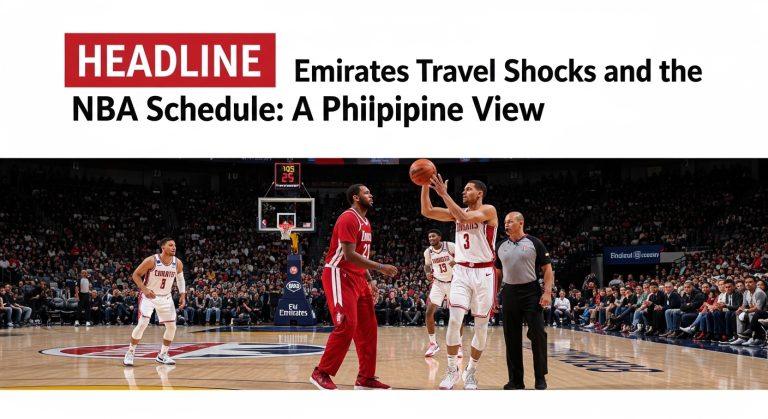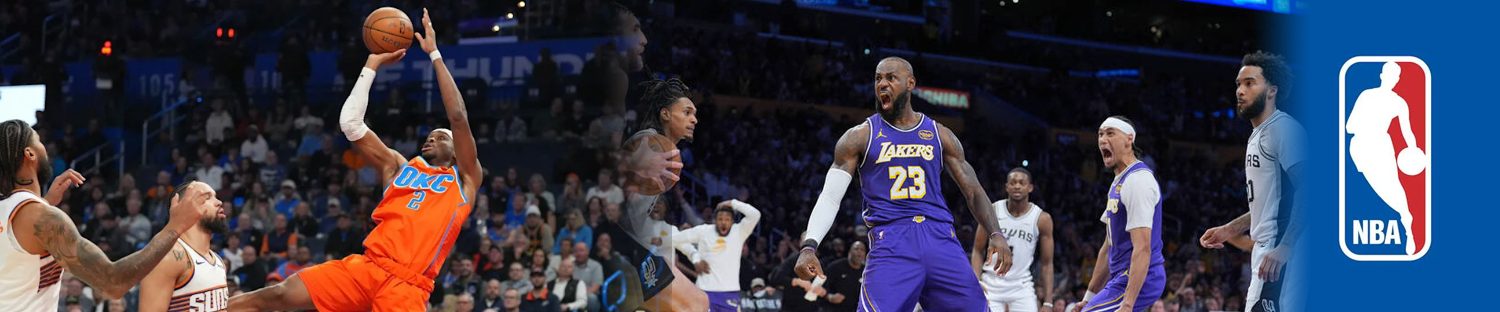
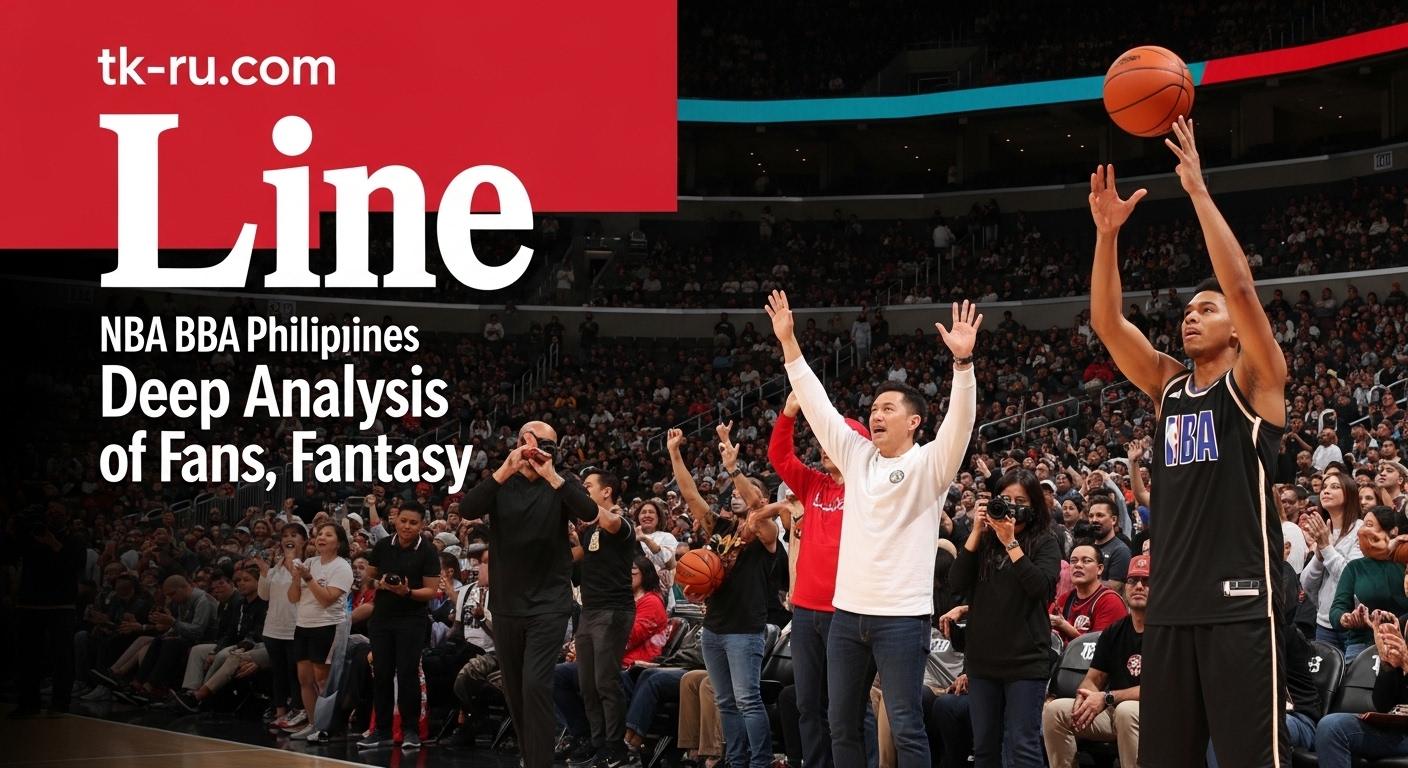
Philippine basketball fans in a crowded arena watching NBA action on screens.
Updated: March 16, 2026
nba NBA Philippines is more than a slogan; it is a lens on how the NBA’s global footprint intersects with a country whose passion for basketball runs deep. In the Philippines, basketball has long been culture, but today fans access a blend of live games, highlight reels, and community discussions that shape expectations for players, leagues, and sponsors alike. This analysis examines where that energy comes from, what it means for talent development, and what near-term futures may demand from leagues, media, and policymakers.
Global reach meets local courts: tracing fan engagement in the Philippines
The Philippines remains among the most engaged NBA markets outside North America, sustained by a mix of broadcast distribution, digital clips, and a vibrant youth scene that treats every highlight as a potential doorway to a pro career. While official viewership numbers are complex to pin down, the signal is clear: Filipino fans are increasingly comfortable consuming NBA content across platforms, often in conversations that blend English, Filipino, and local dialects. This hybrid consumption builds a distinctive local discourse—one where a beloved game becomes a shared language for family, schools, and neighborhood courts.
The dynamic is reinforced by the way the NBA frames itself in the region. Rather than relying on a single channel or moment, the league feeds a steady stream of localized content, evergreen clips, and community partnerships that keep the sport top of mind. The effect is practical: fans can follow the league year-round, athletes see more pathways into professional play, and sponsors discover a population with significant purchasing power and a demonstrated willingness to engage with basketball as a lifestyle rather than a seasonal event. Kai Sotto’s emergence as a Filipino player pursuing the NBA has sharpened this alignment, turning a personal bid into a national narrative that can catalyze grassroots development and longer-term capacity-building in local academies and leagues.
Even as the fan base grows, the Philippines presents a case study in balancing local storytelling with global standards. Local broadcasts, bilingual commentary, and culturally resonant presentation matter just as much as the on-court products. The practical takeaway is that growth will likely come not from a single breakthrough moment, but from a sustained pipeline of content, access, and opportunities that translate the excitement of the NBA into tangible steps for young players, coaches, and clubs.
Kai Sotto and the Philippines’ pipeline: evaluating the NCAA pathway and pro options
Kai Sotto’s pursuit of the NBA has become a stand-in for the broader question of how the Philippines moves from prodigious local talent to international professional status. The routes are familiar: a path through the US college system, a jump to professional leagues abroad, or a blend of development leagues and international showcases. Each has distinct tradeoffs in terms of coaching quality, exposure, and the alignment between youth development and NBA-style play.
In the NCAA pathway, players gain structured competition, access to high-caliber coaching, and a clear pipeline to scouts. But the style of play and the version of competition in American college basketball can diverge from the demands of the NBA, creating a potential mismatch if development is rushed or misaligned with long-term growth. Alternative routes—such as professional development leagues or overseas academies—offer different advantages, including early professional experience and the chance to establish a professional résumé before the draft process. The Philippines benefits when young athletes see multiple viable routes, each with clear milestones and safeguards against premature specialization or burnout.
What matters most is a coherent development ecosystem that connects local academies with international opportunities, while preserving the cultural and emotional resonance that motivates players and families. If Kai Sotto’s ambition helps catalyze more local investment in coaching, facilities, and talent identification, then the broader pipeline gains legitimacy and durability even if a single star’s path proves circuitous. In that sense, the narrative around Kai is less about one individual’s destination and more about how a national system learns to stage its talents for a global audience.
Media, engagement, and the narrative engine
Beyond the court, the Philippines’ NBA narrative is powered by media flexibility and audience appetite. Local-language content, accessible game highlights, and a steady stream of player-focused stories create an ecosystem where fans feel seen and heard. The media engine also matters for sponsorships and partnerships: brands want to align with narratives that resonate with local values—community, family, hard work—while still leveraging the aspirational pull of the NBA. Streaming and on-demand viewing have lowered entry barriers, but they also raise questions about accessibility for under-served communities, and how to maintain a high-quality, inclusive experience across a country with diverse regions and internet access.
To sustain growth, the NBA should prioritize localization without compromising global standards. That means bilingual or multilingual programming where appropriate, culturally relevant host segments, and content that explains how global competition translates to everyday skills on street courts and school gyms. It also means partnerships with Filipino coaches and analysts who can translate the NBA’s strategic concepts into practical drills and routines for local players. In short, media is the bridge between a moment of excitement and a durable developmental culture.
What comes next: scenario planning for NBA in the Philippines
The near future will be shaped by how the NBA and its partners approach localization, accessibility, and talent development. Consider these plausible scenarios shaped by current momentum and global sport dynamics: first, a steady expansion of localized content and grassroots partnerships that deepen fandom without requiring a major structural shift in the market; second, a more assertive push into youth academies or training hubs that feed into college programs or foreign leagues, creating a clearer talent funnel; third, targeted events and digital offerings that test new formats—short-form games, regional showcases, or immersive broadcasts—that broaden reach without over-extending resources. Each path has costs and benefits, but all share a common objective: translate the Philippines’ passion for the game into a sustainable, talent-generating ecosystem that can be measured, funded, and scaled over time.
Crucially, the success of any plan will hinge on alignment between players, coaches, leagues, and communities. If the system rewards late bloomers as much as top prospects, the country can sustain interest across generations. If not, enthusiasm could plateau even as global curiosity remains high. In this regard, the Philippines’ basketball culture offers an advantage: a population with a deep-rooted love for the sport and a proven willingness to invest time and resources into skill development and competitive play.
Actionable Takeaways
- Fans: stay engaged through official NBA platforms and locally produced content that offers practical basketball insights alongside game recaps.
- Players and families: plan a development pathway that blends local academies with international exposure, prioritizing coaching quality and long-term growth over short-term results.
- Coaches and clubs: build transparent talent pipelines that connect grassroots programs with overseas opportunities, including school-to-pro leagues and international camps.
- Media and sponsors: invest in localized commentary, language-accessible content, and community-oriented programs that translate NBA storytelling into actionable skills for youth audiences.
- Policy and infrastructure stakeholders: support basketball facilities, coaching certifications, and school partnerships that sustain talent development across regions.