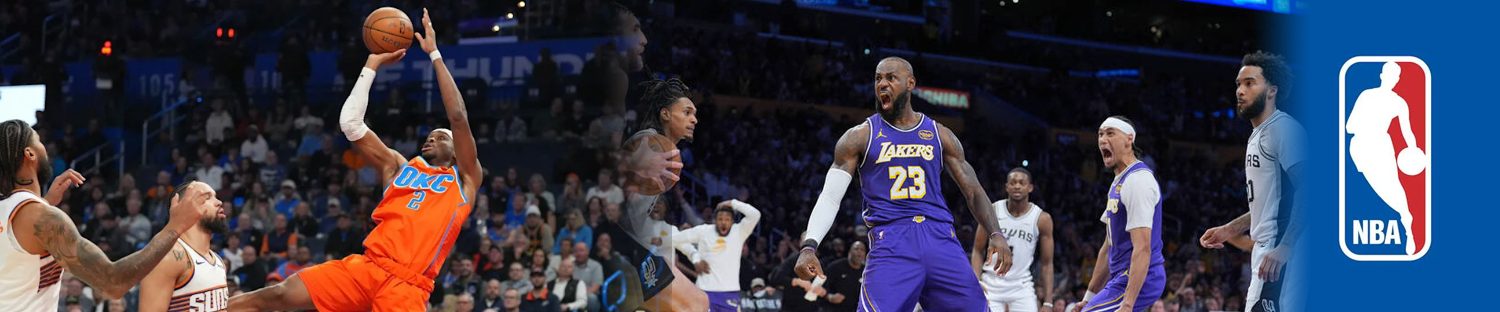

How to Improve Your Basketball Skills: Top Drills and Exercises
Basketball is a dynamic and exhilarating sport that requires a blend of physical prowess, mental acuity, and strategic understanding. Whether you’re a budding player or a seasoned athlete, constantly improving your basketball skills is essential to stay competitive on the court. This comprehensive guide will delve into some of the most effective drills and exercises to enhance various aspects of your game, from shooting and dribbling to defense and teamwork.
Understanding the Fundamentals
Before diving into specific drills and exercises, it’s crucial to have a firm grasp of the fundamentals of basketball. The game revolves around five primary skills: shooting, dribbling, passing, defense, and rebounding. A player’s ability to excel in these areas often determines their success and effectiveness on the court.
Drills to Improve Shooting Skills
Shooting is arguably the most vital skill in basketball. Improving your shooting accuracy can greatly increase your scoring opportunities during a game.
- Spot Shooting Drills: Set up five different spots around the three-point line: corners, wings, and the top of the key. Shoot five times from each spot, focusing on your form and follow-through.
- Free Throw Practice: Free throws can often be the deciding factor in close games. Practice shooting free throws in sets of ten, ensuring consistency in your technique.
- Off-the-Dribble Shooting: Incorporate drills that simulate game situations where you must shoot after dribbling. This builds confidence for pull-up jumpers in actual games.
For more insights into shooting techniques, you might consider exploring resources like the Breakthrough Basketball Shooting Guide.
Enhancing Dribbling Skills
Dribbling is essential for ball control and creating scoring opportunities. Here are some effective drills to enhance your dribbling skills:
- Figure Eight Drills: Using a low dribble, weave the ball around your legs in a figure-eight pattern. This improves hand-eye coordination and ball control.
- Cone Dribbling: Set up cones in a straight line, dribble through them using various techniques like crossover, behind-the-back, and spin moves.
- Two-Ball Dribbling: Dribble two balls simultaneously to develop ambidexterity and improve overall ball-handling skills.
To further develop your dribbling prowess, you might find the Coach’s Clipboard on Dribbling Drills helpful.
Building Defensive Skills
Defense is a pivotal aspect of basketball that often goes unnoticed. Strong defensive skills can disrupt the opposing team’s offense and create turnover opportunities for your team.
- Defensive Slide Drills: Focus on maintaining a low stance and sliding laterally. This helps in staying in front of the offensive player.
- Closeout Drills: Practice closing out on shooters by sprinting towards them, stopping abruptly, and contesting the shot with a hand up.
- 1-on-1 Drills: Engage in one-on-one drills to practice individual defensive skills such as staying in front of your opponent and contesting shots.
For additional defensive strategies, check out Basketball For Coaches.
Improving Passing Techniques
Effective passing can break down defenses and create open shots for teammates. Here are some drills to enhance your passing skills:
- Wall Passing Drills: Stand a few feet from a wall and practice chest passes, bounce passes, and overhead passes. Focus on accuracy and speed.
- Partner Passing Drills: Pair up with a teammate and practice various types of passes while moving. This simulates game-like conditions.
- Full-Court Passing: Work on long passes by practicing full-court outlet passes, which can initiate fast breaks.
If you’re interested in learning more about effective passing, consider exploring the resources at Hoops King.
Developing Rebounding Skills
Rebounding is crucial for gaining additional possessions and can significantly alter the outcome of a game.
- Box-Out Drills: Practice positioning yourself between your opponent and the basket to secure the rebound.
- Rebound and Outlet Drills: Focus on securing the rebound and making a quick, accurate outlet pass to start the fast break.
- Jumping Drills: Improve your vertical leap with exercises like jump squats and box jumps to increase your rebounding ability.
For a deeper dive into rebounding techniques, you can refer to the USA Basketball Rebounding Guide.
Strength and Conditioning Exercises
Basketball is a physically demanding sport that requires endurance, agility, and strength. Incorporating strength and conditioning exercises into your routine can enhance your performance on the court.
- Cardiovascular Exercises: Engage in running, cycling, or swimming to improve cardiovascular endurance, which is essential for sustained performance during games.
- Agility Drills: Use ladder drills, cone drills, and shuttle runs to improve footwork and agility, which are vital for both offense and defense.
- Strength Training: Incorporate weightlifting exercises such as squats, deadlifts, and bench presses to build muscle strength and power.
For a comprehensive strength training program, you can explore the NSCA’s Strength Training for Basketball Guide.
Takeaways
Improving your basketball skills requires dedication, practice, and a willingness to learn and adapt. By incorporating these drills and exercises into your training routine, you can enhance your shooting, dribbling, defense, passing, and rebounding skills, making you a more well-rounded player. Remember, the key to success in basketball is consistency, so maintain a regular practice schedule and stay committed to your development. With time and effort, you’ll see significant improvements in your game, leading to greater success on the court.

Additionally, mental strength and game intelligence should not be overlooked. Basketball is as much a mental game as it is physical. Understanding strategies, reading the opponent’s play, and maintaining composure under pressure are invaluable skills that can be honed over time.
Enhancing Game Intelligence
Game intelligence involves understanding the flow of the game, anticipating the opponent’s moves, and making quick decisions. Here are some ways to develop this aspect:
- Watch Professional Games: Observing professional basketball games helps you learn strategies and understand different playing styles.
- Study Playbooks: Familiarize yourself with different plays and formations used in basketball. This knowledge will help you anticipate and react effectively during games.
- Participate in Scrimmages: Regularly engage in practice games or scrimmages to apply what you’ve learned. This hands-on experience is crucial for developing situational awareness and decision-making skills.
For more on developing basketball IQ, you might want to explore resources such as CoachUp’s Guide to Basketball IQ.
Importance of Nutrition and Recovery
Optimal performance in basketball isn’t just about what you do on the court; it also involves how you fuel and recover your body.
- Nutrition: A balanced diet rich in carbohydrates, proteins, and healthy fats provides the energy needed for intense games and practices. Hydration is equally important to maintain endurance and cognitive function.
- Rest and Recovery: Adequate sleep is essential for muscle recovery and cognitive function. Incorporate rest days into your training regimen to prevent burnout and reduce the risk of injury.
- Recovery Techniques: Use methods like ice baths, massages, and stretching exercises to aid in muscle recovery and maintain flexibility.
For detailed insights into athlete nutrition, consider visiting the Gatorade Sports Science Institute’s Nutrition for Basketball.

Setting Goals and Tracking Progress
Setting clear goals and tracking your progress is essential to improving your basketball skills. This approach provides motivation and highlights areas needing further development.
- Set SMART Goals: Establish Specific, Measurable, Achievable, Relevant, and Time-bound goals. For example, aim to increase your free throw percentage by 10% over the next three months.
- Use a Training Journal: Keep a record of your practice sessions, games, and any observations. This will help identify patterns in your performance and areas for improvement.
- Regular Assessments: Periodically evaluate your skills with standard tests or during competitive play to gauge progress and adjust your training regimen accordingly.
To learn more about setting effective sports goals, the Positive Psychology’s Guide to Goal Setting in Sports can be a valuable resource.
Conclusion and Final Thoughts
Improving your basketball skills is a multifaceted journey that encompasses both physical and mental training. By incorporating a diverse range of drills and exercises, maintaining a strong focus on nutrition and recovery, and continually setting and evaluating goals, you can significantly enhance your performance on the court. Remember, while hard work and dedication are crucial, enjoying the process and maintaining a passion for the game are equally important. With perseverance and the right approach, you’ll be well on your way to becoming the best basketball player you can be.
As you continue to refine your skills and grow as a player, remember that basketball is not just about individual performance but also about how you contribute to the team. Developing strong communication skills and fostering a sense of team spirit can make a significant difference in how effectively you play with others.
Building Team Chemistry

Team chemistry is crucial for executing plays efficiently and maintaining morale during challenging games. Here are some tips to enhance team dynamics:
- Open Communication: Encourage open lines of communication with teammates and coaches. Discuss strategies, provide constructive feedback, and support each other both on and off the court.
- Team Building Activities: Engage in activities outside of practice that foster camaraderie, such as team dinners, outings, or community service projects.
- Lead by Example: Whether you’re a team captain or a supportive player, demonstrate leadership through hard work, commitment, and a positive attitude.
For more strategies on improving team chemistry, you might want to explore SportPsych’s Tips to Improve Team Chemistry.
Embracing a Growth Mindset
Adopting a growth mindset can transform how you approach challenges and setbacks in basketball. Believing in your ability to develop through dedication and hard work encourages resilience and fosters long-term success.
- Learn from Mistakes: Instead of viewing mistakes as failures, see them as opportunities to learn and improve. Analyze what went wrong and strategize on how to avoid similar issues in the future.
- Stay Positive: Maintain a positive outlook, even in difficult situations. Encourage yourself and your teammates, focusing on what can be done better next time.
- Seek Feedback: Actively seek feedback from coaches and peers. Constructive criticism is invaluable for growth and can provide new perspectives on your performance.
To delve deeper into fostering a growth mindset, consider checking out Mindset Works.
Final Encouragement
Basketball is a sport that offers endless opportunities for growth, both personally and athletically. By implementing the drills and exercises outlined in this guide, focusing on teamwork, embracing a growth mindset, and staying committed to continuous improvement, you can elevate your game to new heights. Always remember that every great player started with the basics and worked tirelessly to refine their skills. Stay passionate, be patient with your progress, and enjoy the journey. Who knows? With dedication and determination, you might just be the next basketball star we’re all watching.